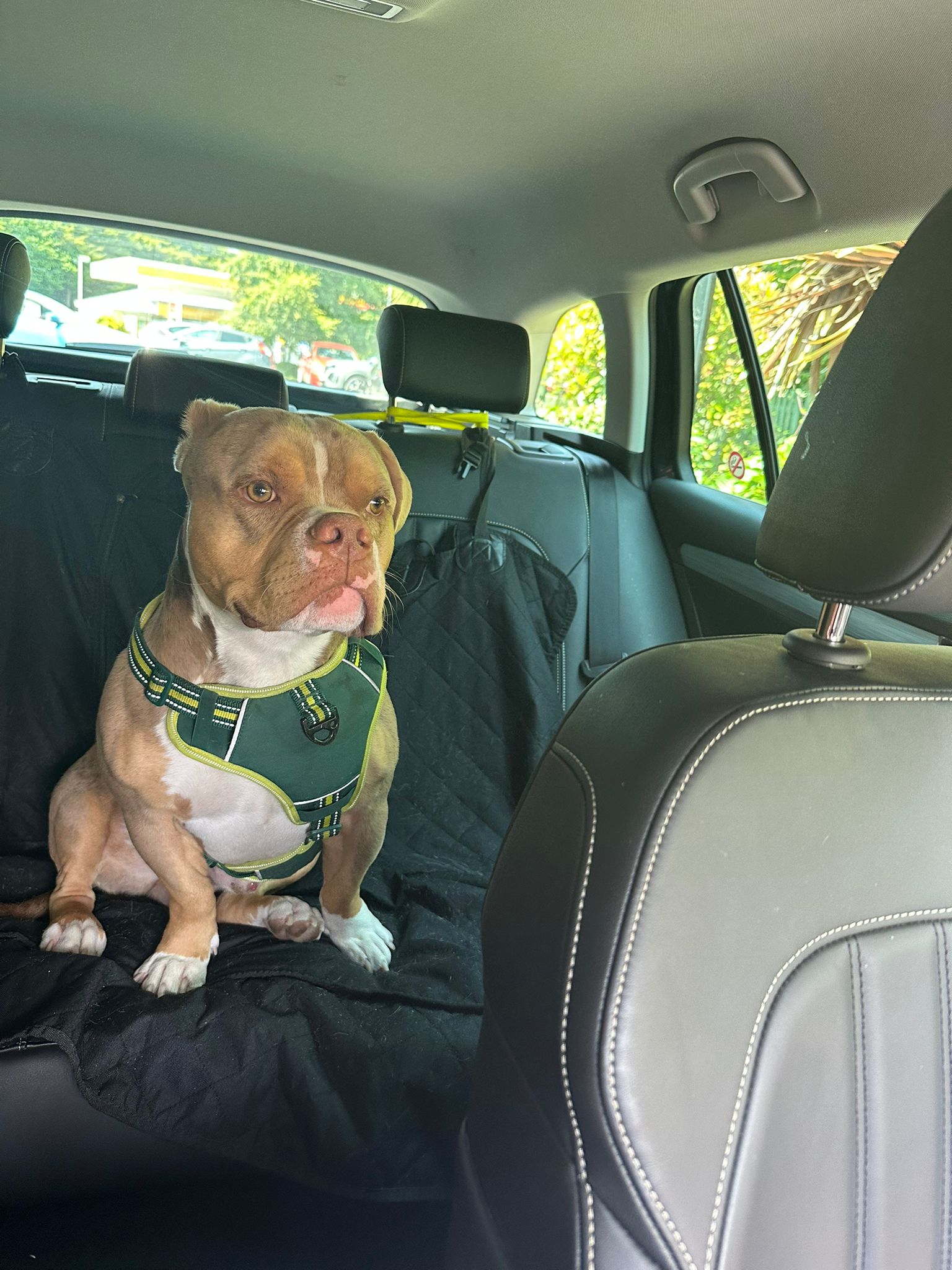
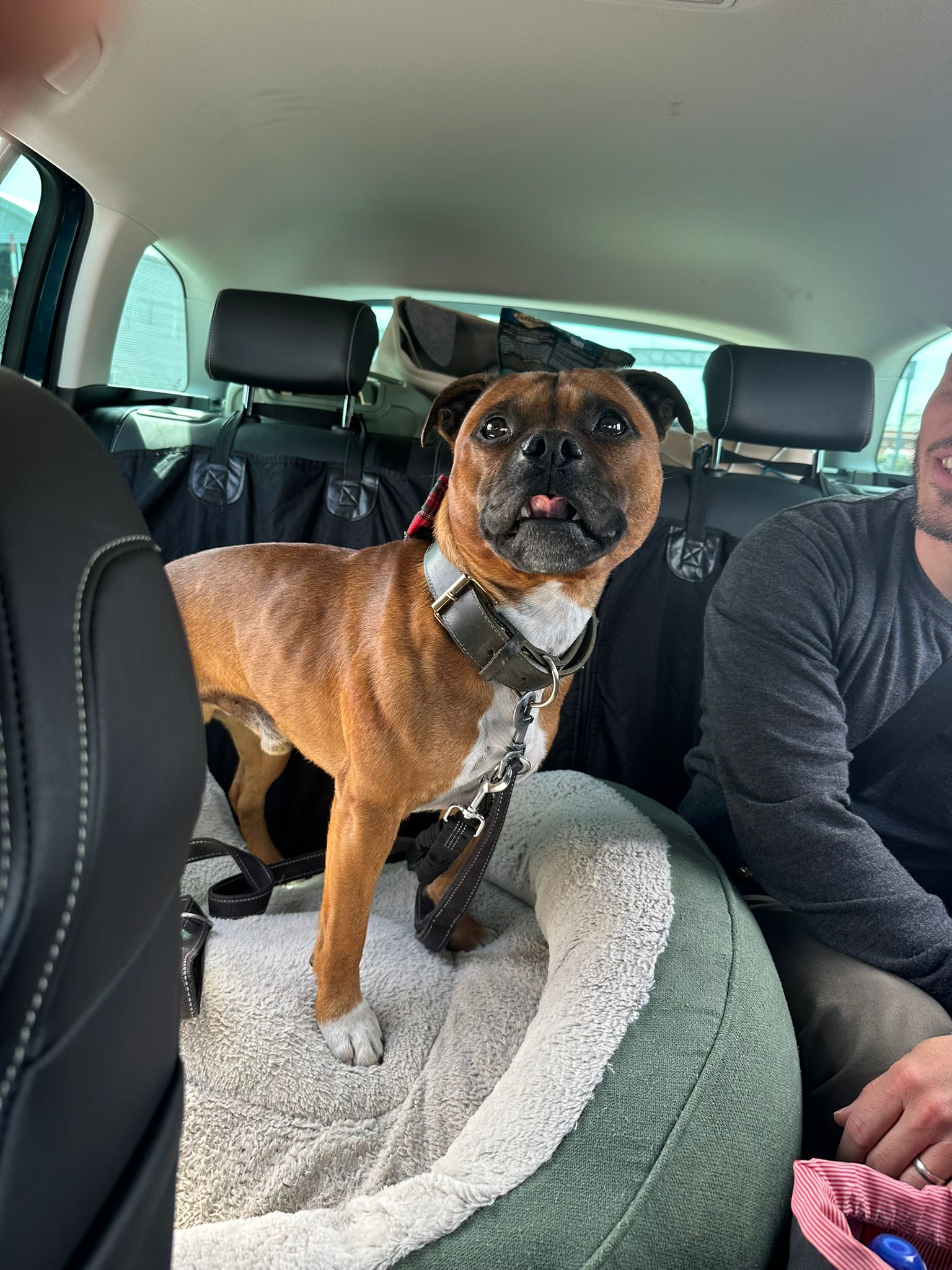
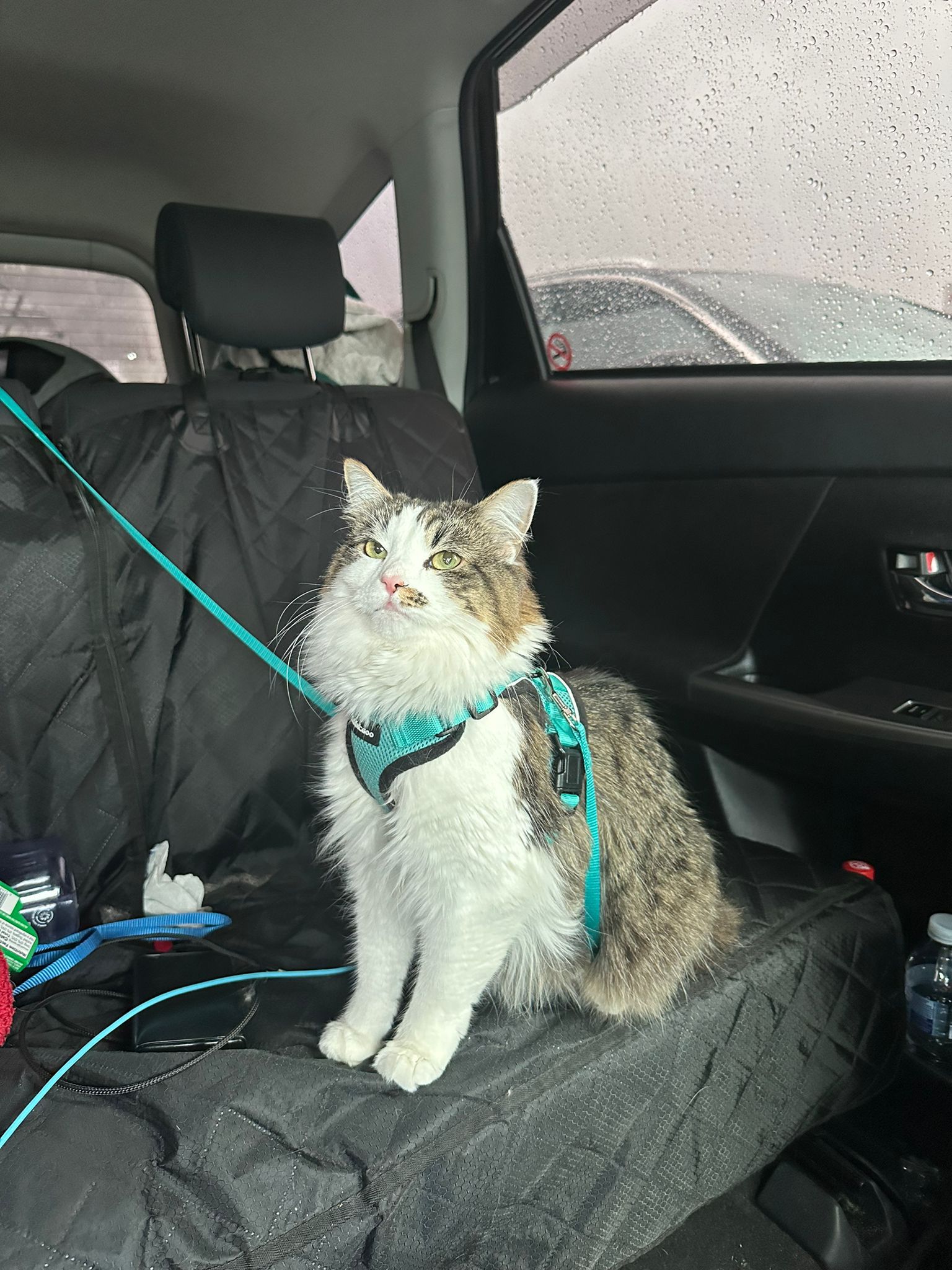
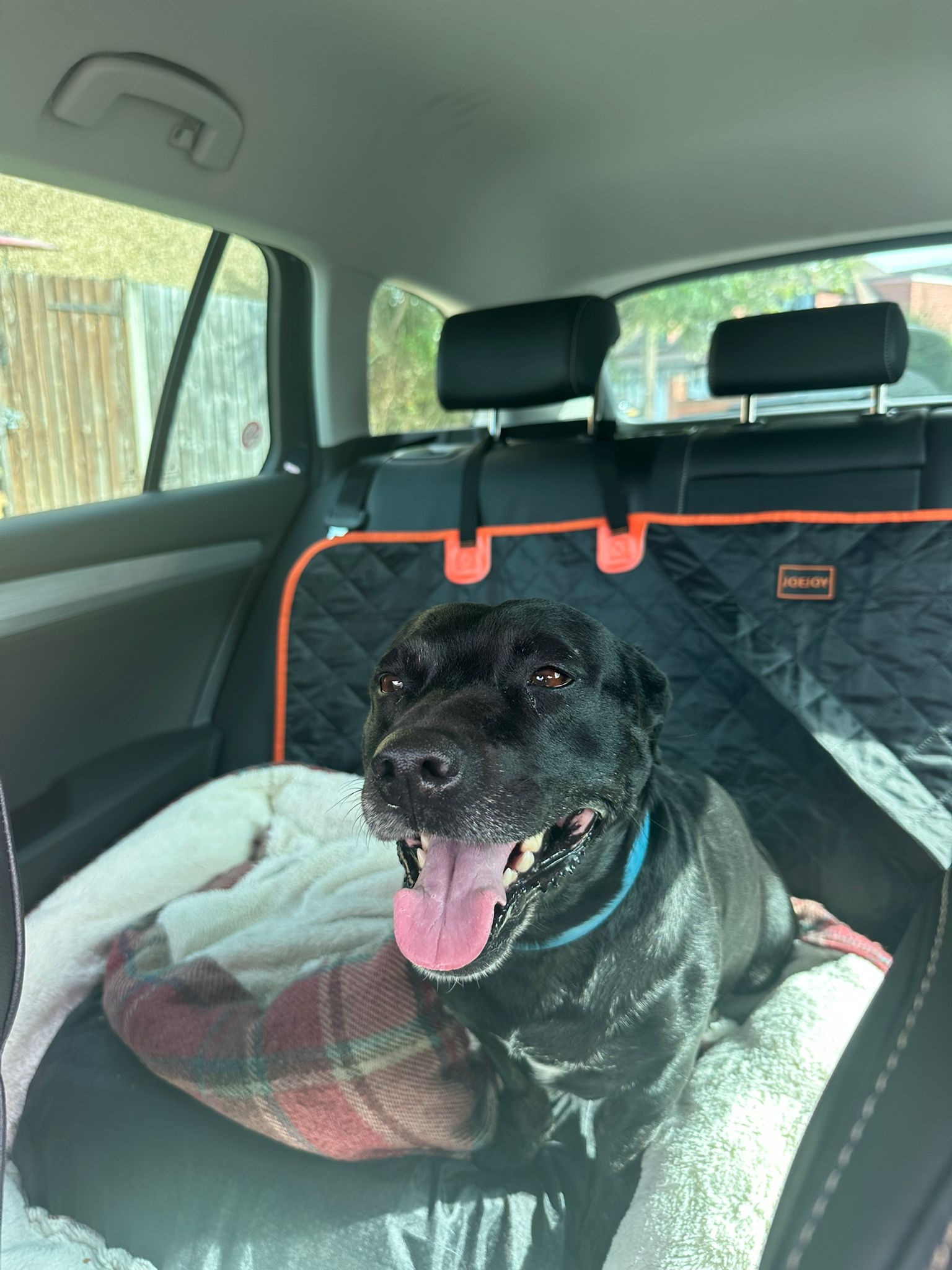
Traveling with your pet is common for pet lovers. Even for local moves, like city to city, you must prioritise their comfort and safety every time. Moving from country to country is not as simple as local moves, so you need legal documents and the best pet transporter company. Now, we explore how to move across the country with pets.
 Legal Documents for Moving Pets
First Understanding What “Moving New Country With Pets” Really Means
Moving to a new country isn’t just about distance. For pets, it means:
- New smells
- New routines
- Long travel hours
- Temporary confinement
- Unfamiliar environments
Some pets adapt quickly. Others need extra care. The most common cross-country pet moves include:
- UK city to city (London to Manchester, Birmingham to Leeds, etc.)
- UK to all European countries, including France, Germany, Spain, the Netherlands, and Italy etc.
Each scenario changes how you should plan.
Always Planning Early when You Know Your Pet Must Move With You
The biggest mistake people make is treating pet travel like human travel.
- Pets don’t understand:
- Why they’re in a carrier
- Why the journey is long
- Why their routine suddenly changes
That’s why planning should start weeks—not days—before the move. Early planning helps you:
- Arrange correct documentation
- Choose the safest travel method
- Prepare your pet mentally and physically
- Avoid last-minute stress
Legal and Travel Requirements in the UK and Europe
For Moving Within the UK
If you’re staying inside the UK:
- No passport required for pets
- No border checks
- No customs paperwork
However, transport safety laws still apply, especially for dogs in vehicles.
Difference Between a Pet Passport and a Certificate
For Moving Between UK and Europe
This is where paperwork becomes important. Most pets (especially cats and dogs) require:
- UK → Europe: UK pet passports are not accepted. You must have a UK Animal Health Certificate for your dog or cat to cross into Europe.
- Europe to UK: Either an EU Pet Passport or a UK Animal Health Certificate is accepted.
- Microchip must always be inserted before the rabies vaccination; the reverse order is invalid.
- Tapeworm/worming treatment (for dogs entering the UK):
- Must be administered by a registered vet
- Given at least 24 hours, but no more than 120 hoursbefore crossing
- Must be stamped, signed, and datedin the passport or UK Animal Health Certificate
- Not required when leaving the UK
All Requirements for Bringing a Pet to the UK
- Third-country → Europe → UK travel: Requires both an EU Animal Health Certificate(to enter Europe) and a UK Animal Health Certificate (to enter the UK)
- Approved travel routes and carriers
Always check different European countries’ rules before moving.
Choosing the Right Transport Method
Not every pet should travel the same way.
Pet Taxi or Professional Pet Transport Services
Best for:
- Nervous pets
- Long distances
- Owners who want minimal stress
- Multiple pets
- Use climate-controlled vehicles
- Allow regular breaks
- Handle paperwork
- Monitor pet comfort throughout the journey
- Services may include LeShuttle crossing with dogs or pet taxi Eurotunnel / LeShuttle
Driving With Your Pet Transporter
Good for:
- Medium to long distances
- Pets already used to cars
Trains and Ferries
Common in the UK and Europe, but rules vary:
- Dogs usually allowed with restrictions
- Small pets may need carriers
- Some services limit the number of animals
Always check the operator’s pet policy in advance.
Food, Water, and Comfort During the Journey
Feeding rules vary by pet, but generally:
- Avoid heavy meals before travel
- Offer small amounts of water regularly
- Keep treats minimal
Always carry:
- Fresh water
- Food portions
- Waste bags or litter
- Cleaning supplies
- Familiar bedding or toys
Familiar smells reduce anxiety more than anything else.
Settling Your Pet Into the New Home
The journey doesn’t end when you arrive. The first 48–72 hours matter most.
Tips:
- Set up a quiet space immediately
- Keep feeding times consistent
- Limit visitors and noise
- Let pets explore slowly
- Watch for stress signs (hiding, loss of appetite)
Most pets settle faster when routines return quickly.
Common Challenges and How to Avoid Them
- Stress and anxiety: Reduce noise, maintain routine, use familiar items
- Motion sickness: Avoid feeding before travel, allow airflow, consult a vet if needed
- Paperwork issues (Europe moves): Double-check documents weeks in advance
- Temperature problems: Never rely on outside weather—always plan controlled environments
How UK Pet Passports and Certificates Work
Is Professional Help Worth It?
For short local moves, you may manage alone. But not all the time—even if you have your own car, you can’t manage them all the time. You must have a professional who can safely move your pet.
For long-distance or cross-border moves, professional pet transport often:
- Reduces stress
- Saves time
- Prevents paperwork mistakes
- Keeps pets safer
Final Words
Moving across the country with pets is not about headaches; it’s about understanding them. Complete your pet’s requirements, plan ahead of time, and choose the most appropriate mode of transportation. This makes the relocation process easier, safer, and less stressful for both you and your pet.