UK to Europe Pet Transport: A Complete Guide for Pet Owners
Moving a pet from the UK to Europe isn’t just about booking transport and hoping for the best. It is a complete process. Since Brexit, the process has become more structured and document-heavy, and for many owners it is more confusing than expected. This guide is written to minimise that confusion and explain the real process of UK-to-Europe pet transport in a step-by-step guide.
What UK to Europe Pet Transport Process Really Involves
In its basic form, UK-to-Europe pet transport is about compliance and safety. Your pet must meet EU entry rules, travel safely across borders, and arrive without delays or health risks. Unlike domestic travel, international pet transport involves coordination between vets, border authorities, transport providers, and sometimes ferry or airline operators.
Many problems happen not because owners don’t care but because they underestimate how strict timing, paperwork, and preparation can be. One missing detail can result in refused entry or long delays at the border.
Can You Move Pets from the UK to Europe? Rules After Brexit Explained Simply
Yes, pets can still travel from the UK to Europe, but the rules changed after Brexit.
The UK is now treated as a “Part 2 listed country” by the EU. This means:
- Pets can no longer travel using an EU pet passport issued in the UK.
- An Animal Health Certificate (AHC) is required for most journeys.
- Documents must be issued within strict timeframes.
The good news is that once you understand the system, it’s very manageable, especially with proper planning.
Pet Travel Routes from the UK to Europe
Different pets and destinations suit different transport methods. There is no one-size-fits-all solution.
Road and Ferry Transport
This is the most common method for UK to Europe pet transport. Pets travel in temperature-controlled vehicles and cross via approved ferry or tunnel routes. It allows regular rest stops, feeding breaks, and hands-on monitoring.
Air Travel
Some pets travel by air, either accompanied or unaccompanied. This option is usually faster but involves stricter airline rules, crate requirements, and breed considerations.
Combined Road and Air Options
For longer European routes, pets may travel by road to a major hub and then continue by air, balancing comfort and efficiency.
Documents Required for UK to Europe Pet Transport
This is where most mistakes happen, and where attention to detail really matters.
Pet Passport vs. Animal Health Certificate
UK-issued EU pet passports are no longer valid for EU entry. Instead, you’ll need an Animal Health Certificate issued by an official vet no more than 10 days before travel.
Microchipping, Vaccinations & Rabies Rules
- Your pet must be microchipped before rabies vaccination.
- Rabies vaccination must be at least 21 days old.
- Vaccinations must remain valid for the entire journey.
Tapeworm Treatment (When Required)
Dogs entering certain countries must receive a tapeworm treatment within a specific window before arrival. Missing this step can result in refusal at the border.
How Long Does UK to Europe Pet Transport Take?
Travel time depends on distance, transport method, and border procedures.
- Short routes (UK to nearby EU countries): 1–3 days
- Central Europe routes: 3–5 days
- Longer Southern European journeys: 5–7 days
These timelines include rest breaks and welfare checks, not just driving time.
How Much Does It Cost to Transport a Pet from the UK to Europe?
Costs vary based on several factors:
- Size and breed of your pet
- Distance and destination
- Transport method
- Additional services (crate supply, document handling, tracking)
As a general guide, prices often range from £600 to £1600+. It’s important to avoid “too cheap” options, as proper welfare and compliance come at a cost.
How Pets Are Kept Safe and Comfortable During Transport
Pet welfare is not optional; it’s central to responsible transport.
Temperature Control & Ventilation
Vehicles and crates are designed to maintain stable temperatures and proper airflow throughout the journey.
Rest Stops Feeding & Hydration
Pets are checked regularly, offered water, and fed according to their normal routine whenever possible.
Reducing Stress for Anxious Pets
Experienced handlers understand animal behavior. Calm handling of familiar bedding and minimized noise all help reduce anxiety.
Popular UK to Europe Pet Transport Routes
Many owners travel along well-established routes, which helps streamline the process:
- London → Paris
- London → Amsterdam
- London → Brussels
- London → Frankfurt
- London → Rome
These routes often form the basis for dedicated city-to-city transport pages.
Challenges Pet Owners Commonly Face When Moving Pets to Europe
Common issues include:
- Incorrect document dates
- Last-minute vet availability problems
- Border delays due to missing treatments
- Underestimating pet stress levels
Most of these problems are preventable with early preparation.
What Happens If Documents Are Incorrect or Delayed?
If paperwork is incomplete or incorrect, pets may be:
- Delayed at the border
- Returned to the UK
- Placed into temporary holding at the owner’s cost
This is why document checks should never be rushed.
Preparing Your Pet Before Travel (What Owners Often Forget)
Preparation goes beyond paperwork.
- Introduce your pet to travel crates early.
- Maintain normal feeding routines
- Schedule a general health check before certification
- Avoid travel immediately after major medical treatments.
Small steps beforehand make a big difference during transport.
UK to Europe Pet Transport for Different Pet Types
Dogs
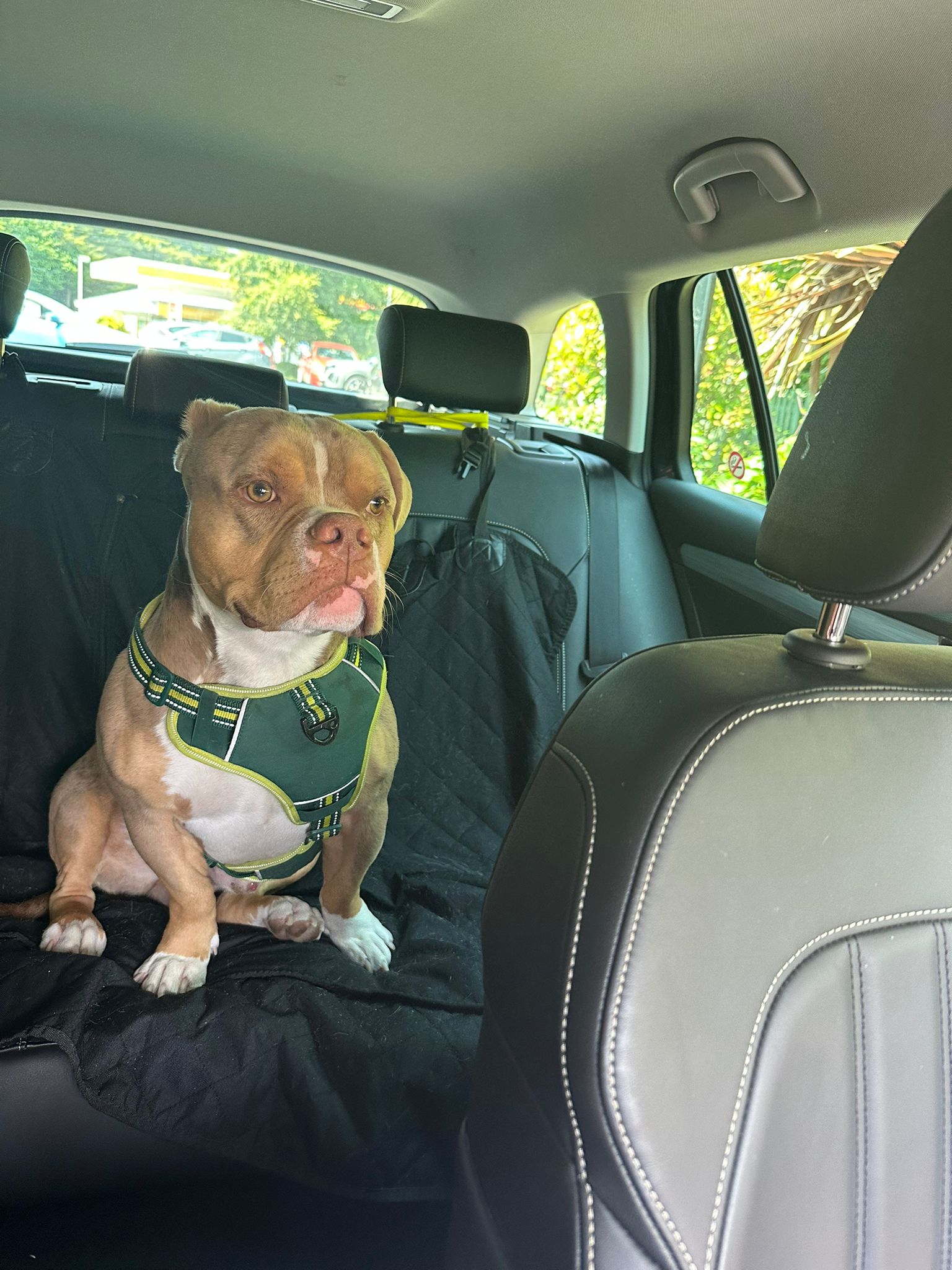
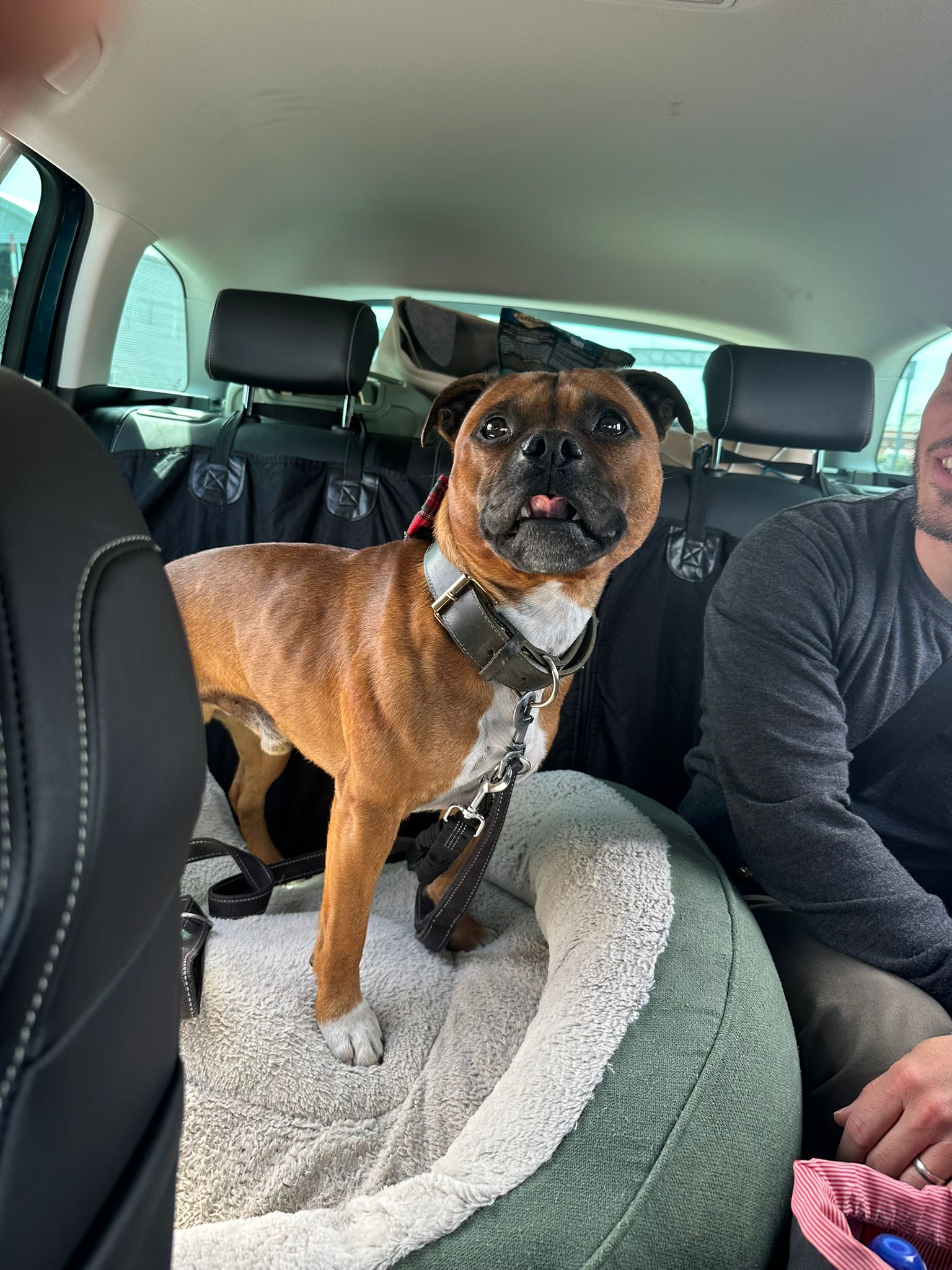
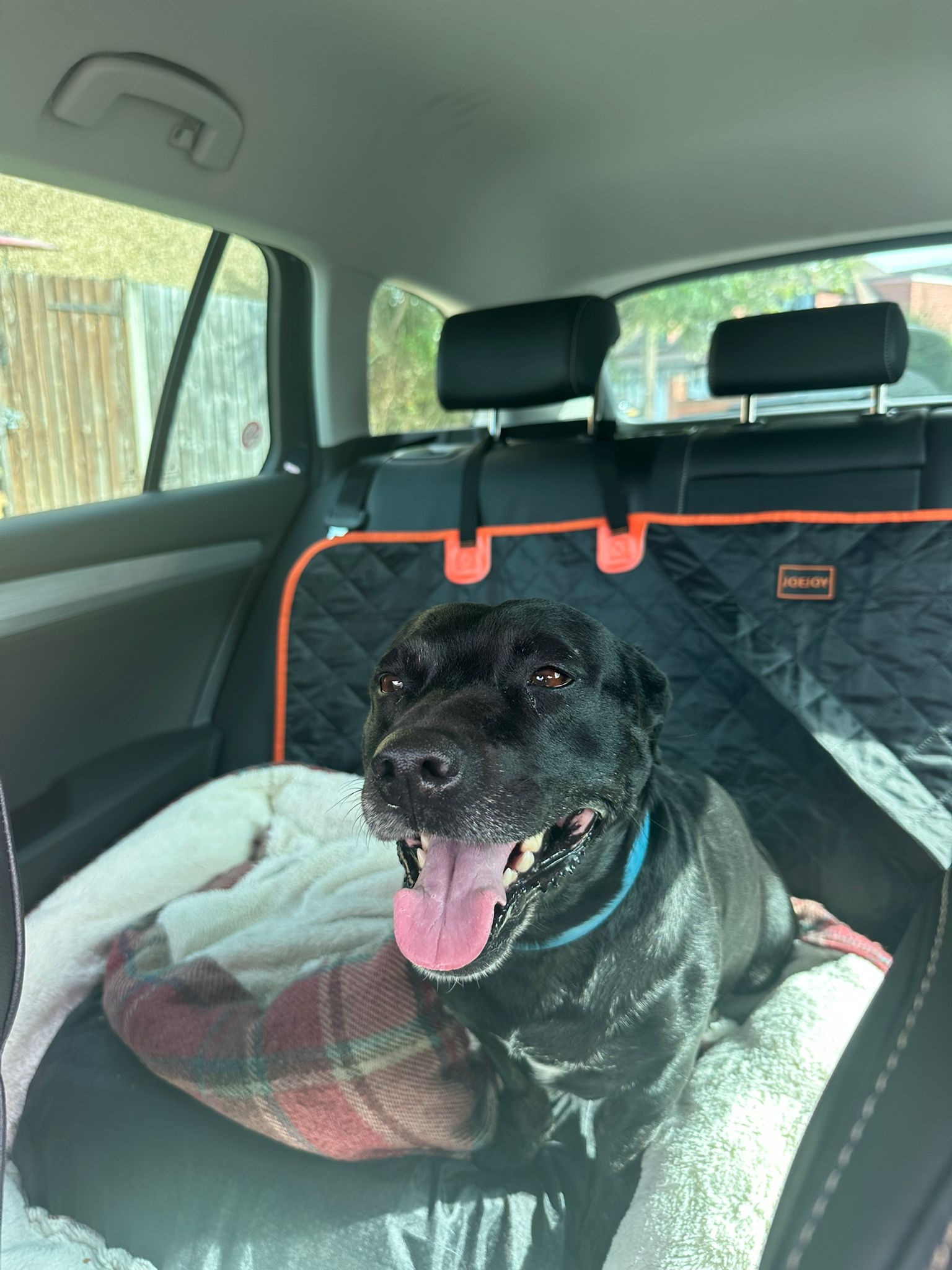
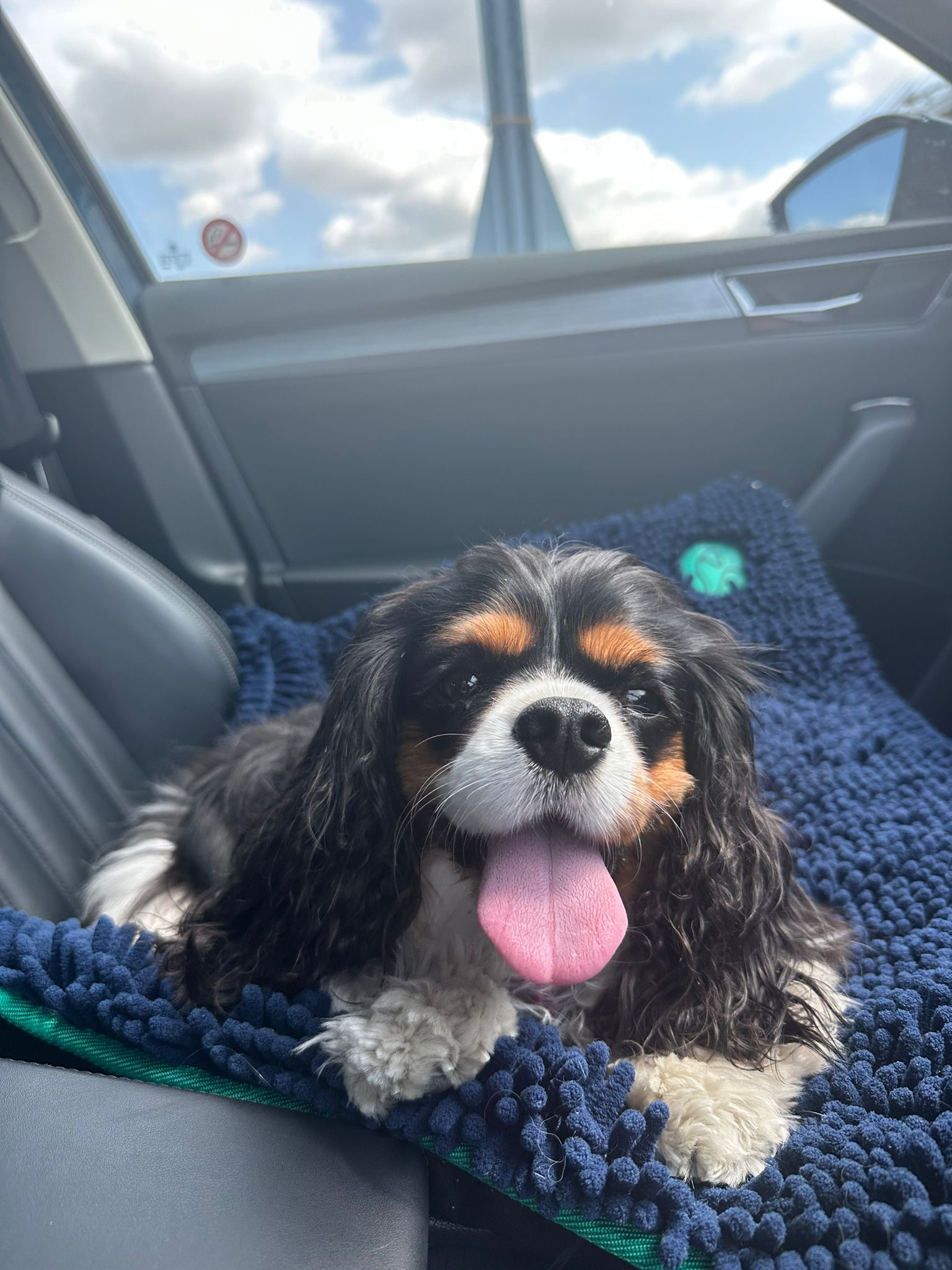
Dogs usually adapt well to road transport, especially with regular breaks and familiar routines. Our Dog Transport UK & Europe service builds those breaks and routines into every journey
Cats
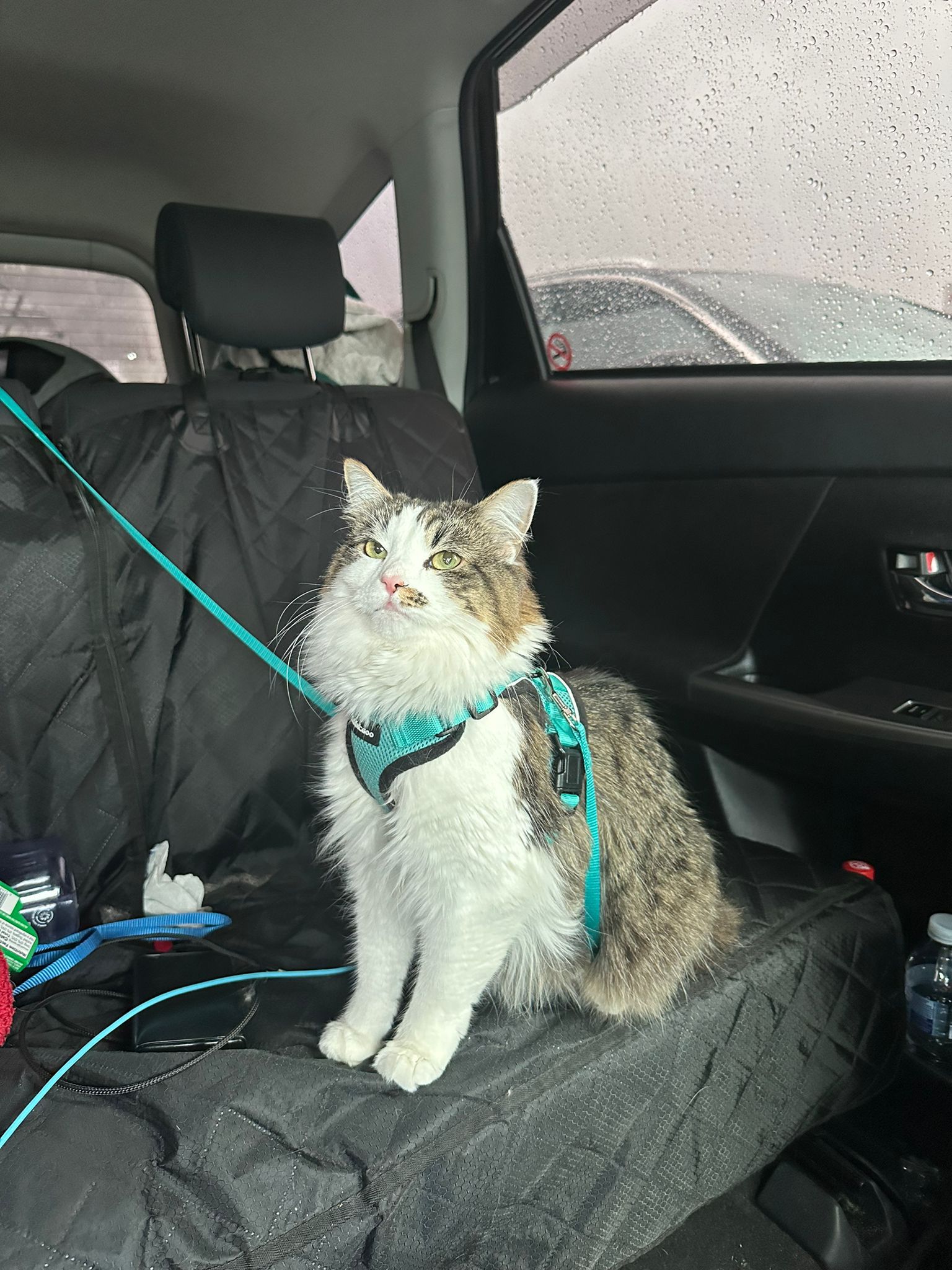
Cats require quieter environments and extra attention to crate comfort and stress reduction. Our Cat Transport UK & Europe service is built around exactly this, keeping the environment calm and consistent for the whole journey
Brachycephalic (Flat-Faced) Breeds
These breeds may face additional restrictions, particularly for air travel, due to breathing concerns.
Should You Use a Professional UK-to-Europe Pet Transport Service?
Professional transport isn’t just about convenience; it’s about compliance, welfare, and experience. Reputable providers manage documents, plan safe routes, and understand how to handle unexpected border or travel issues calmly and correctly.
That’s exactly what our Luxury Pet Transport UK to Europe service delivers, from document checks through to safe arrival.
Final Things to Know Before Moving Your Pet from the UK to Europe
UK to Europe pet transport is completely achievable when done properly. The key is early planning, accurate documentation, and choosing transport methods that prioritize your pet’s well-being, not shortcuts.
When those pieces come together, the journey becomes far less stressful for everyone involved.
- Book Now
Learn About Our Commitment to Pet care