If you plan to move a pet from Europe to the UK you’ve likely noticed this: it’s more complicated than before. After Brexit rules changed. Paperwork got stricter so now there’s mixed information online. Much of it is confusing or outdated.
The truth is Europe-to-UK pet transport can be done smoothly but only if you understand the process properly and prepare in the right order. This guide aims to explain things clearly and honestly. We want to avoid adding stress to pet owners.
Moving a pet from Europe to the UK
Most people assume pets simply fly into the UK the same way people do. In reality it rarely works that way.
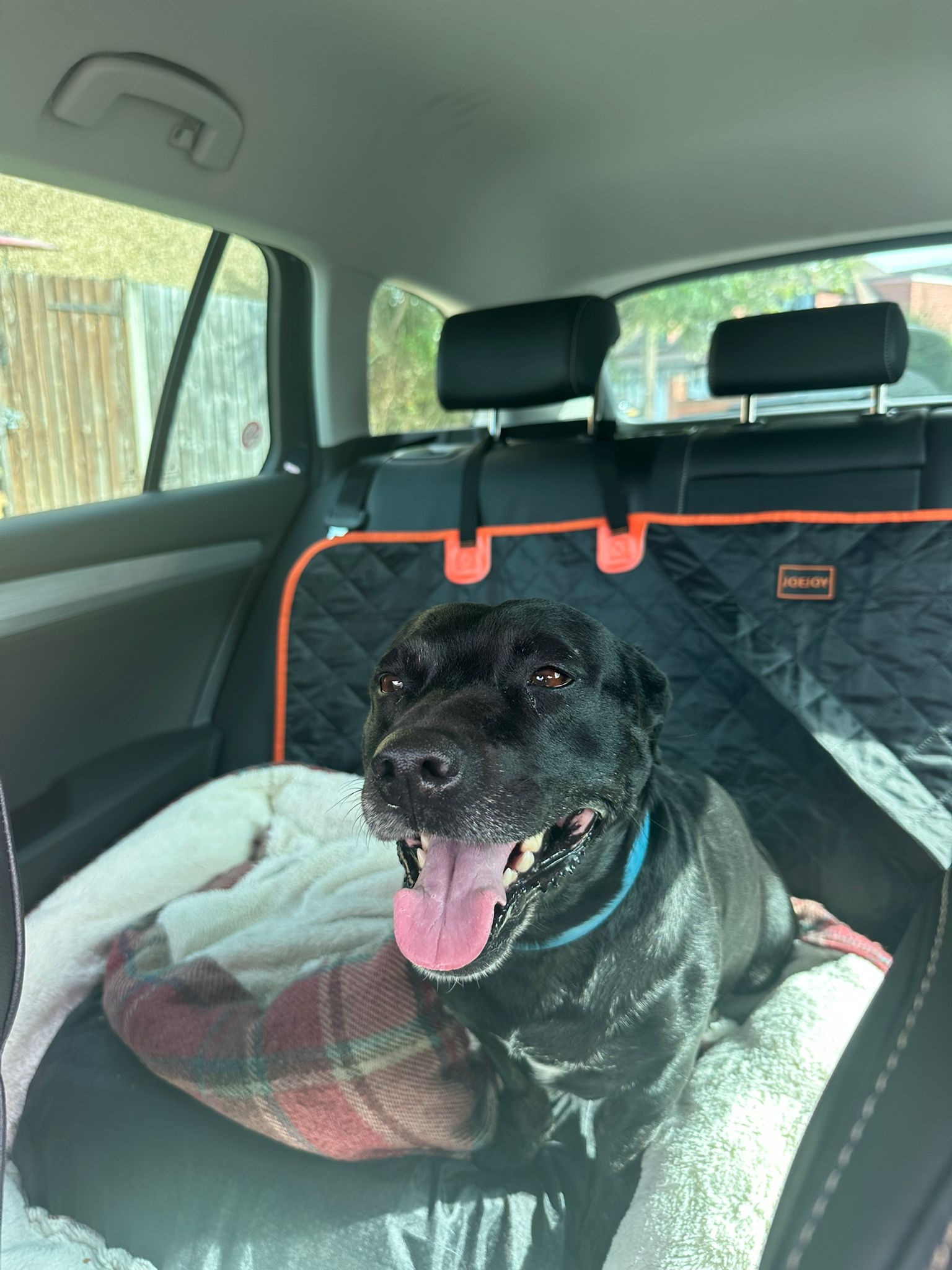
Most pets travel by road across Europe. They then enter the UK via approved routes for proper animal checks. This approach is often calmer for pets allows owners to stay close to them and avoids many of the risks that come with long-haul flights.
A typical journey usually includes:
- Collection from a European city or airport
- Road transport in a temperature-controlled vehicle
- Border checks and document verification
- Entry into the UK through approved control points
- Delivery to the final destination
The key point is this: planning matters more than speed. Rushing the process is where mistakes happen.
Is Europe-to-UK pet travel still allowed after Brexit?
Yes pets can still travel from Europe to the UK. However the rules are no longer the same as EU-to-EU travel.
Since Brexit the UK treats pet entry separately which means:
- You can’t rely on old pet passport rules alone.
- Paperwork must be precise and correctly timed.
- Border checks are stricter than before.
This doesn’t mean the process is difficult it just means it needs to be done properly.
The Documents You Need for Europe to UK Pet Transport
This is where most problems occur so it’s worth slowing down and getting it right.
UK Animal Health Certificate
Microchip and Rabies Vaccination
Your pet must:
- Be microchipped
- Have a valid rabies vaccination
- Have the rabies vaccine administered after microchipping
Timing matters here. A rabies vaccine given too late or recorded incorrectly can stop travel altogether.
Tapeworm Treatment (Dogs Only)
For dogs entering the UK a tapeworm treatment is required:
- Given by a vet
- Administered between 24 and 120 hours before entry
- Correctly recorded in documentation
Cats and other pets are not subject to this rule.
How Pets Usually Travel from Europe to the UK
Most Europe-to-UK pet journeys happen by road not by air.
Road travel allows:
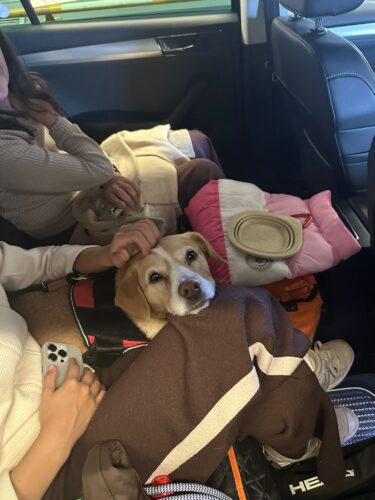
- Pets to stay with their owners
- Regular breaks for water and comfort
- Less exposure to loud environments
- Shorter periods of confinement
One of the most common routes into the UK is via the Channel crossing where pets remain inside the vehicle for the entire journey. This is generally far less stressful for animals than air cargo.
How Long Does Europe-to-UK Pet Transport Take?
Travel time depends on:
- Starting location
- Border processing times
- Traffic and weather conditions
As a rough guide:
- Nearby European cities may take 1–2 days.
- Longer routes may take slightly longer with overnight rest.
A good transporter plans journeys realistically not optimistically.
How Much Does It Cost to Transport a Pet from Europe to the UK?
Costs vary depending on:
- Distance travelled
- Number of pets
- Size and breed
- Additional support (crate assistance timing)
Rather than fixed prices it’s more realistic to expect a flexible quote based on your specific journey.
If you notice unusually low advertised prices it’s likely a sign of cost-cutting.
Keeping Pets Calm and Comfortable During the Journey
This is one of the most important parts of pet transport and one that many websites barely explain.
A well-managed journey includes the following:
- Temperature-controlled vehicles
- Quiet travel environments
- Regular rest stops
- Familiar routines for food and medication
Pets cope far better when stress is minimised and that comes from experience not speed.
Common Problems Owners Face (And How to Avoid Them)
Some of the most frequent issues include:
- Incorrect tapeworm timing
- Outdated rabies records
- Missing signatures on certificates
- Relying on old rules found online
Almost all of these problems are avoidable with proper checking before travel.
Preparing Your Pet Before Travel
A few simple steps can make a big difference:
- Let your pet get used to their crate or travel setup.
- Avoid feeding large meals right before departure
- Stick to familiar routines
- Keep documents organised and accessible
Preparation reduces anxiety for both pets and owners.
Europe to UK Transport for Different Pets
Dogs
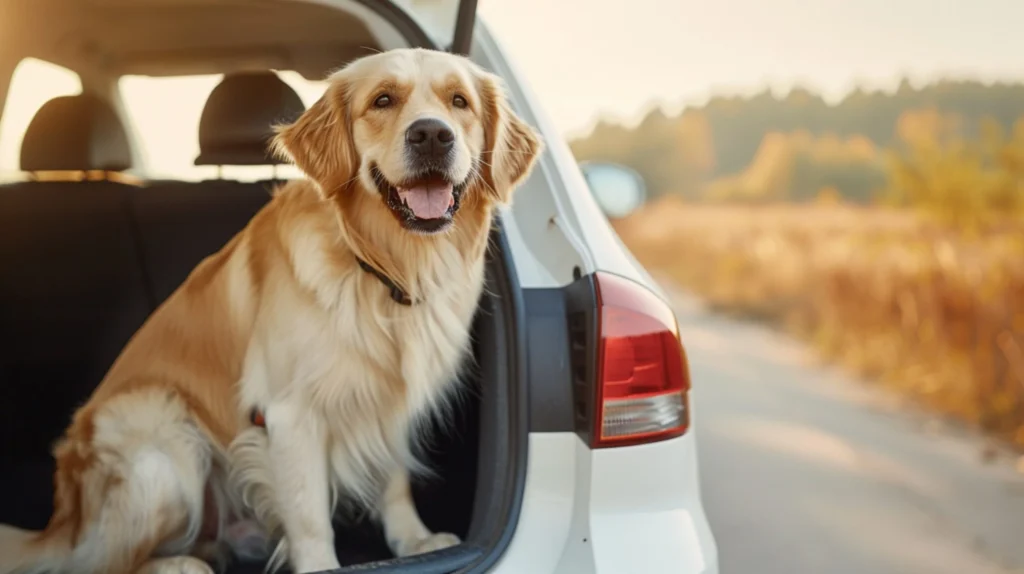
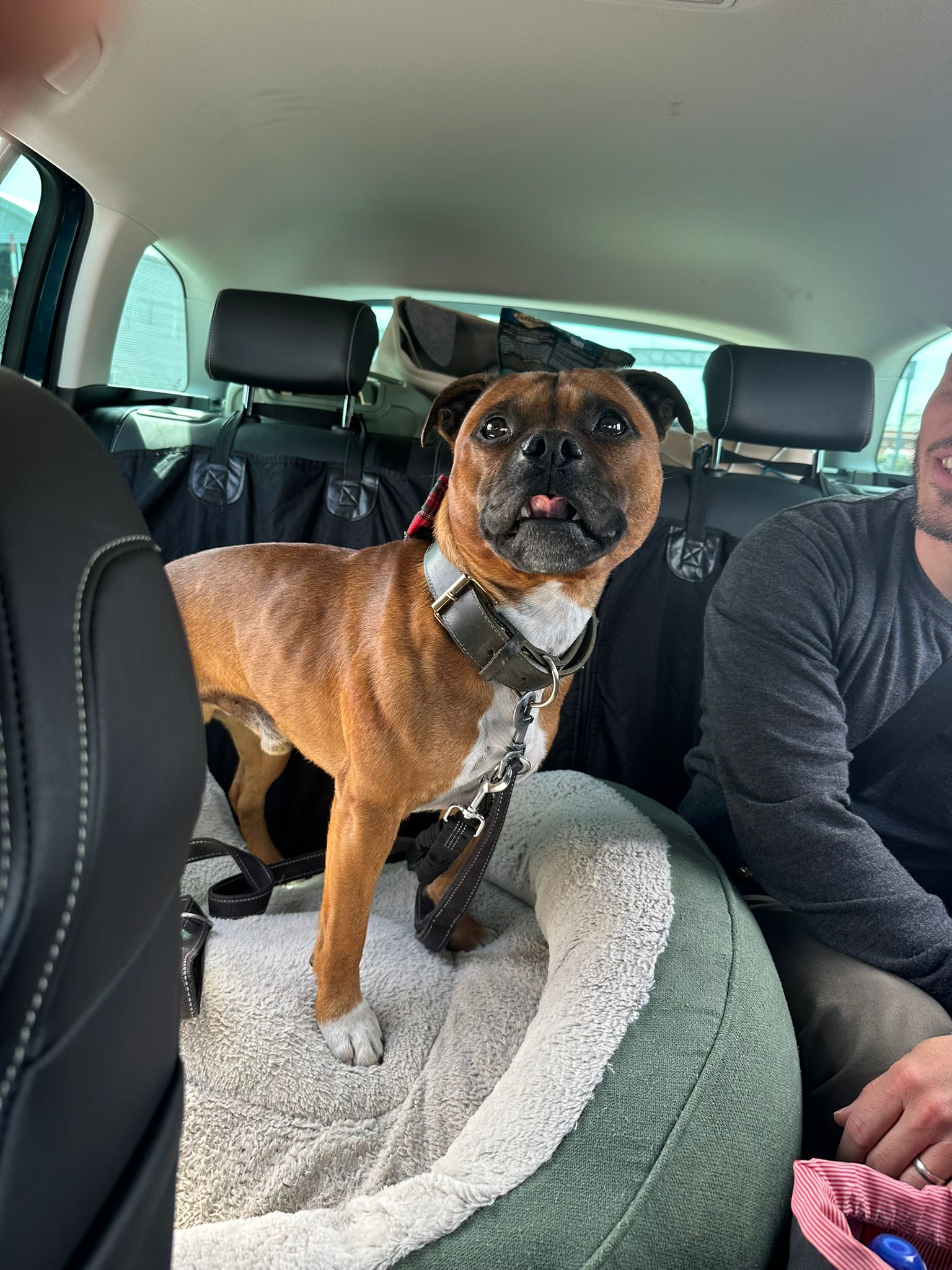
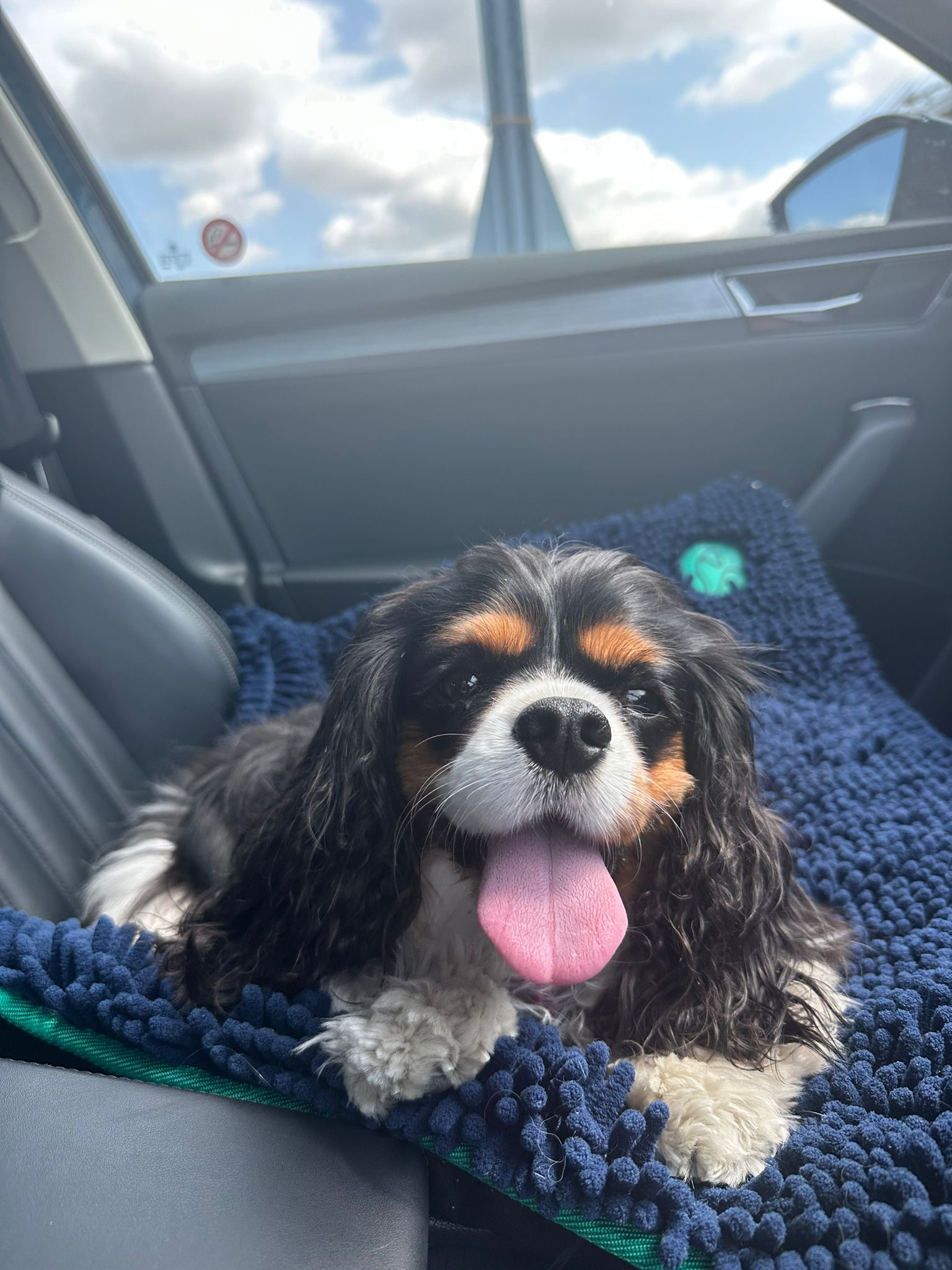
Dogs usually adapt well to road travel especially when they can stay close to their owners.
Our Dog Transport UK & Europe service is built around that, keeping owners close for the whole journey
Cats
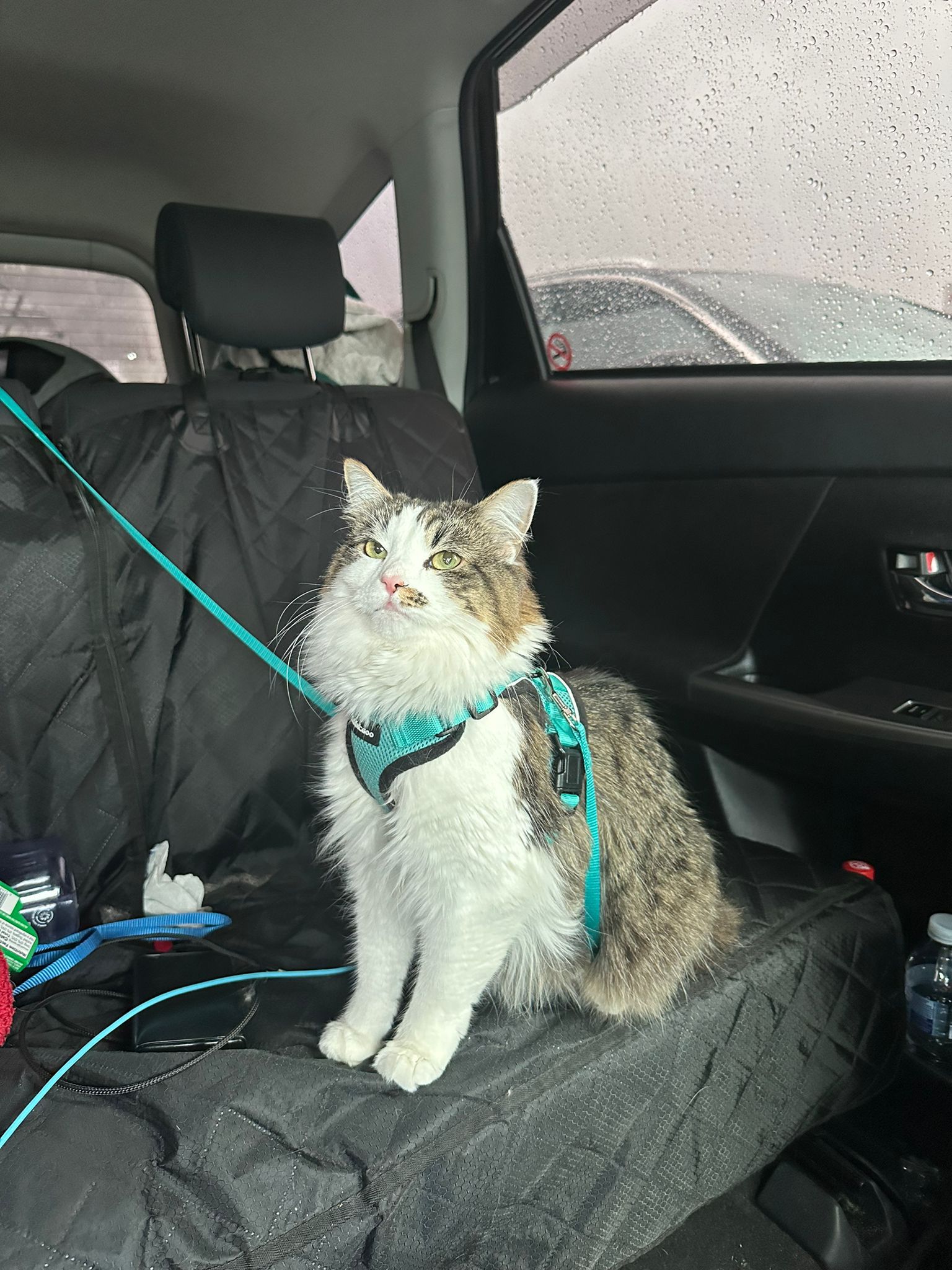
Cats benefit from quiet secure carriers and minimal handling during the journey.
Our Cat Transport UK & Europe service is designed around exactly that, quiet carriers and minimal handling from door to door
Flat-Faced Breeds
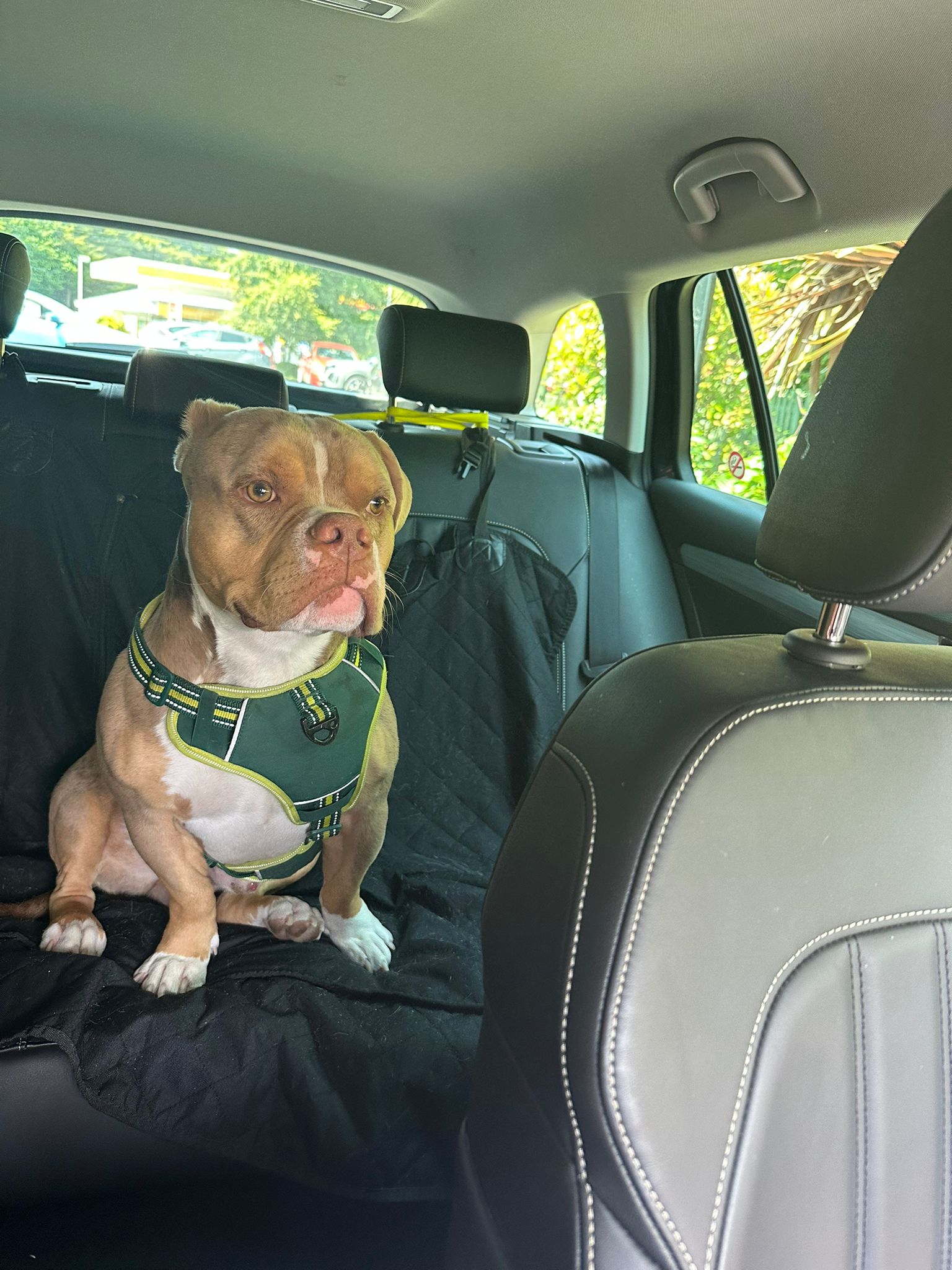
These type of breeds require extra care especially with temperature and ventilation.
Is Professional Europe-to-UK Pet Transport Worth It?
For many owners yes.
The process isn’t just about moving a pet it’s about avoiding mistakes that can delay entry or cause unnecessary distress. Professional support often means fewer risks and a calmer experience overall.
Final Things to Know Before Moving a Pet to the UK
If there’s one thing to remember it is: most problems happen because something was rushed or assumed.
Take your time double-check documents and don’t rely on outdated advice. With the right preparation Europe-to-UK pet transport doesn’t have to be stressful for you or your pet.